
What is Flap Operation?
June 26, 2025
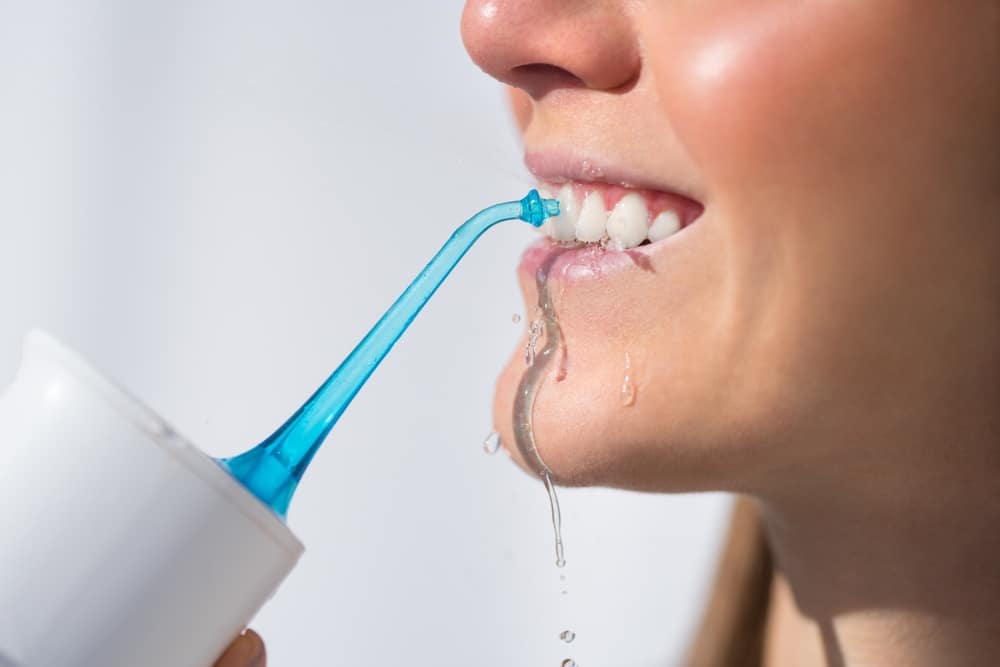
A water flosser has become an essential tool in modern oral care. Alongside traditional methods like brushing and flossing, water flosser technology has opened a new dimension in oral hygiene. It provides effective cleaning in areas where a toothbrush can’t reach, such as between teeth and along the gum line, helping prevent the buildup of bacteria. This significantly reduces the risk of cavities and gum diseases.
In addition to daily brushing and flossing, using a water flosser can help achieve healthier gums and fresher breath. With regular use, it can prevent gingivitis, reduce bad breath, and prevent plaque buildup between teeth. It’s also an ideal solution for individuals undergoing orthodontic treatment to clean food particles around brackets.
This guide explains what a water flosser is, how to use it, who should use it, and more. Using it correctly and effectively is key to getting the most benefit. In this article, we’ll cover everything from types of water flossers to usage tips, benefits, disadvantages, and help you make an informed decision.
A water flosser is a modern oral hygiene device that cleans between the teeth and along the gum line by spraying pressurized water. Compared to traditional dental floss, it is often more comfortable and effective in hard-to-reach areas. While toothbrushes typically only clean the surfaces of the teeth, water flossers reach between teeth and into gum pockets for a deeper clean.
Water flossers are usually powered by electricity or batteries and have a water tank that sprays clean water into the mouth under pressure. These devices often come with various tips designed for different cleaning needs, such as tips for orthodontic users, tongue cleaners, and periodontal tips.
They are especially useful in situations where flossing is difficult or insufficient—such as for individuals with tight teeth spacing or those wearing braces. They are also beneficial for maintaining hygiene in dental restorations like implants, bridges, and crowns.
Where a toothbrush and floss may fall short, a water flosser helps eliminate food debris and bacteria, reducing gum inflammation, bleeding, and bad breath. For those prone to gum diseases, it plays a key role in preventative care.
To use a water flosser correctly, follow these steps:
To be effective, a water flosser must be used correctly. Common mistakes include:
– Using it as a replacement for brushing. It should complement brushing, not replace it.
– Using excessive water pressure, which can damage gums and cause sensitivity.
– Not replacing tips regularly, which can cause hygiene issues.
– Adding mouthwashes or chemicals not recommended by the manufacturer, which may damage the device.
While anyone can use a water flosser, it’s especially recommended for:
– Individuals undergoing orthodontic treatment
– Those with implants, bridges, or crowns
– Elderly or disabled individuals who struggle with flossing
– People with sensitive gums
– Diabetics or those at higher risk of gum disease
It provides both comfort and effective cleaning for these groups.
– Reduces plaque buildup
– Helps prevent gum inflammation
– Effectively cleans around orthodontic appliances
– Keeps breath fresh
– Reduces gum bleeding
– Easier to use than dental floss
– Helps prevent bad breath
– Supports overall oral hygiene
– Incorrect use may damage the gums
– May not remove plaque as effectively as dental floss
– Poor maintenance can lead to bacterial growth inside the device
– Not ideal for travel due to size
– Some models can be expensive
– Adjustable pressure settings
– Sufficient water tank capacity
– Availability of different tip types (orthodontic, classic, tongue cleaner, etc.)
– Easy-to-clean design
– Portability of battery-powered or rechargeable models
– Brand reliability and user reviews
– Warranty period and customer support availability
It is recommended to use a water flosser daily. The most effective time is in the evening after brushing. In some cases, such as for people with braces, it may be used twice a day.
Most water flossers are designed to be used with clean water only. However, some manufacturers allow for diluted mouthwashes. Using substances like salt water, vinegar, or alcohol-based solutions may damage the device. Always check the user manual for guidance.
Tips should be replaced every 3 to 6 months. If multiple people are using the device, each should have their own tip. Over time, tips can become deformed, so regular inspection is important.
No, water flossers can only remove food debris and plaque from between teeth and along the gum line. They cannot remove hardened tartar (calculus). For that, professional dental cleaning is necessary.
If you are considering using a water flosser for gum health, please visit our gum treatment page for more detailed information.
WhatsApp us